
Side Effects Of Methyltestosterone: Complete Guide for Bodybuilders and Athletes
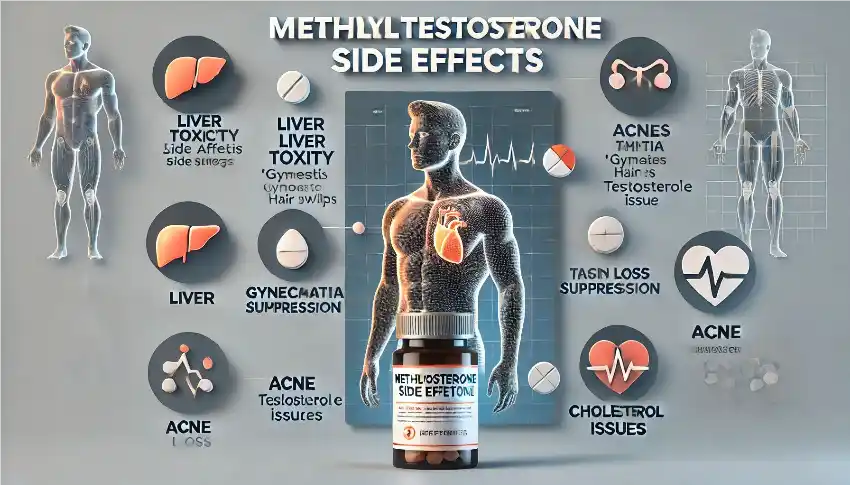
Methyltestosterone is a potent anabolic-androgenic steroid (AAS) widely used for muscle growth, strength enhancement, and performance boosting. However, its benefits come with a high risk of side effects—especially when used at supraphysiological doses common in bodybuilding. As a C-17 alpha-alkylated oral steroid, Methyltestosterone places significant stress on the liver, increasing the likelihood of toxicity. Understanding the full scope of potential side effects is essential for anyone considering its use.
Side Effects of Methyltestosterone/
Common Methyltestosterone Side Effects
Methyltestosterone can cause a range of short-term side effects, even at moderate doses. These effects are often the first signs of hormonal imbalance:
- Acne and oily skin due to increased androgen activity
- Water retention and bloating
- Increased aggression or mood swings
- Elevated blood pressure
- Suppression of natural testosterone production
These symptoms may appear quickly and worsen with higher dosages or prolonged cycles.
Liver Toxicity and Hepatotoxic Risks
One of the most serious concerns with Methyltestosterone is its impact on liver health. Because it is a 17-alpha-alkylated steroid, it is designed to survive oral ingestion, but this also makes it significantly more toxic to the liver.
- Elevated liver enzymes (AST, ALT)
- Risk of liver damage or liver failure with long-term use
- Potential development of liver tumors or cholestasis
Regular liver function monitoring is critical for users, although avoiding prolonged use is the safest approach.
Cardiovascular Side Effects
Methyltestosterone can negatively affect heart health, increasing the risk of cardiovascular disease:
- Reduction in HDL (good cholesterol)
- Increase in LDL (bad cholesterol)
- Higher risk of atherosclerosis
- Increased chance of heart attack or stroke over time
These risks are amplified when combined with poor diet or other performance-enhancing drugs.
Hormonal Imbalance and Testosterone Suppression
Like most anabolic steroids, Methyltestosterone suppresses the body’s natural testosterone production:
- Testicular atrophy (shrinkage)
- Decreased libido after cycle
- Risk of long-term hormonal imbalance
- Possible need for post cycle therapy (PCT)
Without proper recovery protocols, users may experience prolonged low testosterone levels.
Estrogenic Side Effects
Methyltestosterone can aromatize into estrogen, leading to additional unwanted effects:
- Gynecomastia (development of breast tissue in men)
- Water retention and puffiness
- Increased fat gain
These effects often require anti-estrogen support to manage.
Long-Term Health Risks
Extended or repeated use of Methyltestosterone can lead to serious long-term complications:
- Chronic liver disease
- Cardiovascular damage
- Endocrine system disruption
- Fertility issues
These risks make it one of the harsher oral steroids compared to alternatives.
How to Reduce Side Effects
- Cycle Duration: Keep cycles short (4-6 weeks) to reduce long-term risk.
- Dosage: Stick to the 20-40 mg/day dosage range.
- Liver Protection: Use TUDCA, NAC, or Milk Thistle.
- Support Supplements: Fish oil, red yeast rice, and CoQ10 for cardiovascular support.
- Aromatase Inhibitors (AIs): Control estrogen with Arimidex or Letrozole.
- Post-Cycle Therapy (PCT): Use Clomid or Nolvadex to restore natural testosterone production.
- Blood Tests: Regularly check liver enzymes (AST, ALT), cholesterol, testosterone, and blood pressure.
Final Thoughts on Methyltestosterone Safety
While Methyltestosterone may offer rapid strength and muscle gains, its side effect profile is considered severe compared to many other anabolic steroids. Careful consideration, proper dosing, and health monitoring are essential—but avoiding misuse remains the most effective way to reduce risk.
Summary of Key Side Effects:
- Liver toxicity
- Gynecomastia (male breast growth)
- Hair loss and acne
- Testosterone suppression
- Cholesterol imbalance
- Mood swings (Roid Rage)
References
Cohen, J. C., & Hickman, R. (2005). Gynecomastia in anabolic steroid users: A case study. Endocrine Practice, 11(2), 101-105.
McHenry, C. R., & Sleisenger, M. H. (1992). Liver toxicity from anabolic steroid use. Gastroenterology, 102(4), 1292-1295.
Bhasin, S., Storer, T. W., Berman, N., et al. (1996). The effects of supraphysiologic doses of testosterone on muscle size and strength in normal men. New England Journal of Medicine, 335(1), 1-7.
Brown, G. A., Vukovich, M. D., Sharp, R. L., et al. (2000). Effect of anabolic steroids on hormones and liver function in athletes. Journal of Clinical Endocrinology & Metabolism, 85(5), 2190-2195.
Kaufman, K. D., & Dawber, R. P. (1999). Androgenic alopecia: Pathogenesis and potential for therapy. Clinical Dermatology, 16(4), 375-385.
Su, T. P., Pagliaro, M., Schmidt, P. J., et al. (1993). Neuropsychiatric effects of anabolic steroids in male normal volunteers. JAMA, 269(21), 2760-2764.
Hartgens, F., & Kuipers, H. (2004). Effects of androgenic-anabolic steroids in athletes. Sports Medicine, 34(8), 513-554.
Neuberger, J. M. (2002). Anabolic steroid-induced liver injury. Hepatology, 36(2), 441-444.